
Passive Preservation Philosophy
The best cleaning is the cleaning that never becomes necessary. By controlling environmental factors, we create conditions that minimize surface accumulation and material stress.
Humidity Control
Maintaining relative humidity between 45% and 55% prevents both excessive drying and moisture-related issues. Paintings respond to humidity changes through expansion and contraction of support materials.
Consistent humidity levels reduce stress on paint films and prevent cracking or delamination over time.
Temperature Stability
Rapid temperature fluctuations cause materials to expand and contract at different rates, creating stress points. Stable temperatures between 18°C and 22°C (64°F to 72°F) provide optimal conditions.
Avoid placement near heating vents, radiators, or exterior walls that experience temperature swings.
Indoor Climate Considerations
Different heating and lighting systems create unique microclimates that affect paintings differently depending on their media.
Dry Air Environments
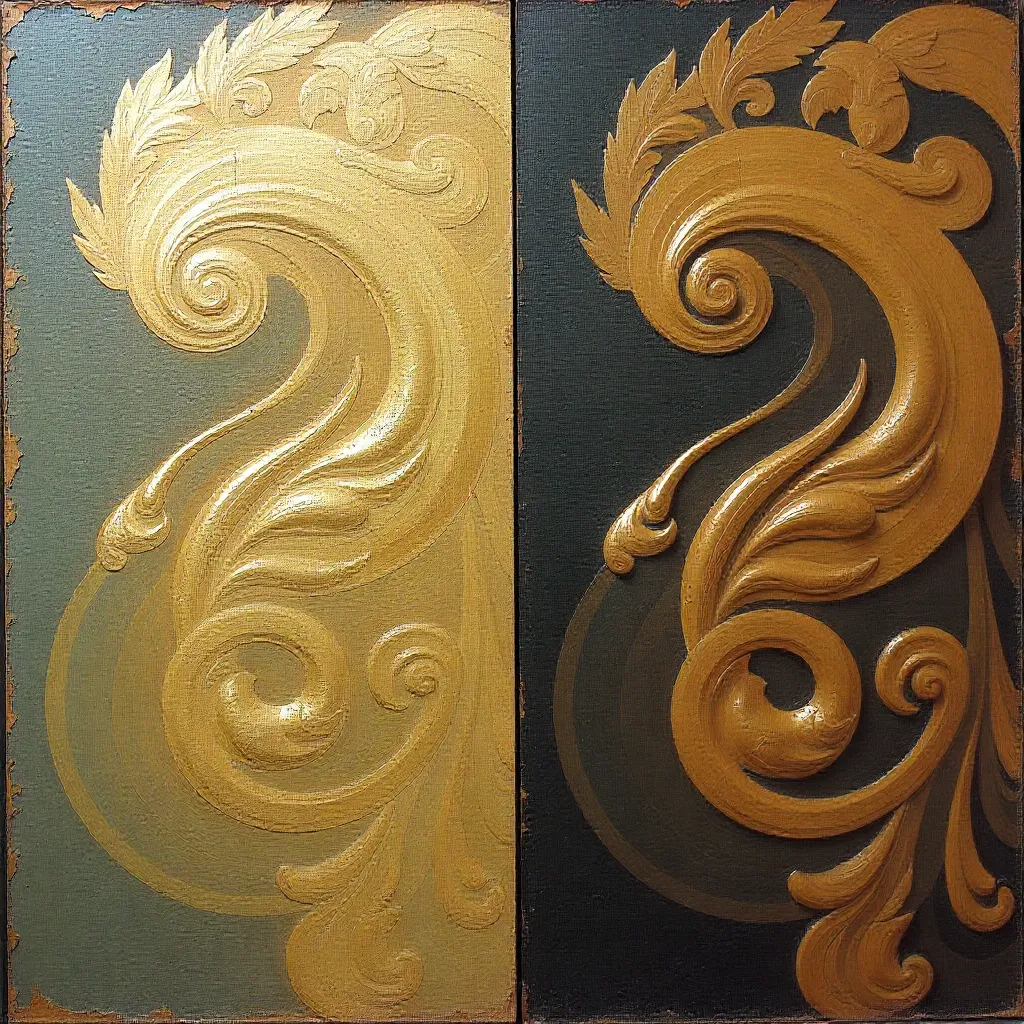
Central heating systems, particularly forced-air systems, can create very dry conditions. This dryness affects oil and acrylic paintings differently.
Oil paintings may develop fine cracks in dry conditions, while acrylic paintings generally tolerate lower humidity better due to their flexible nature.
Light Exposure
Natural light provides beautiful viewing conditions but contains ultraviolet radiation that can cause fading and deterioration. Summer light intensity varies significantly from winter levels.
Position paintings away from direct sunlight, and consider UV-filtering glazing for valuable works.
Media-Specific Responses
Oil and acrylic paintings respond differently to environmental conditions. Understanding these differences guides placement decisions.
Oil Paintings
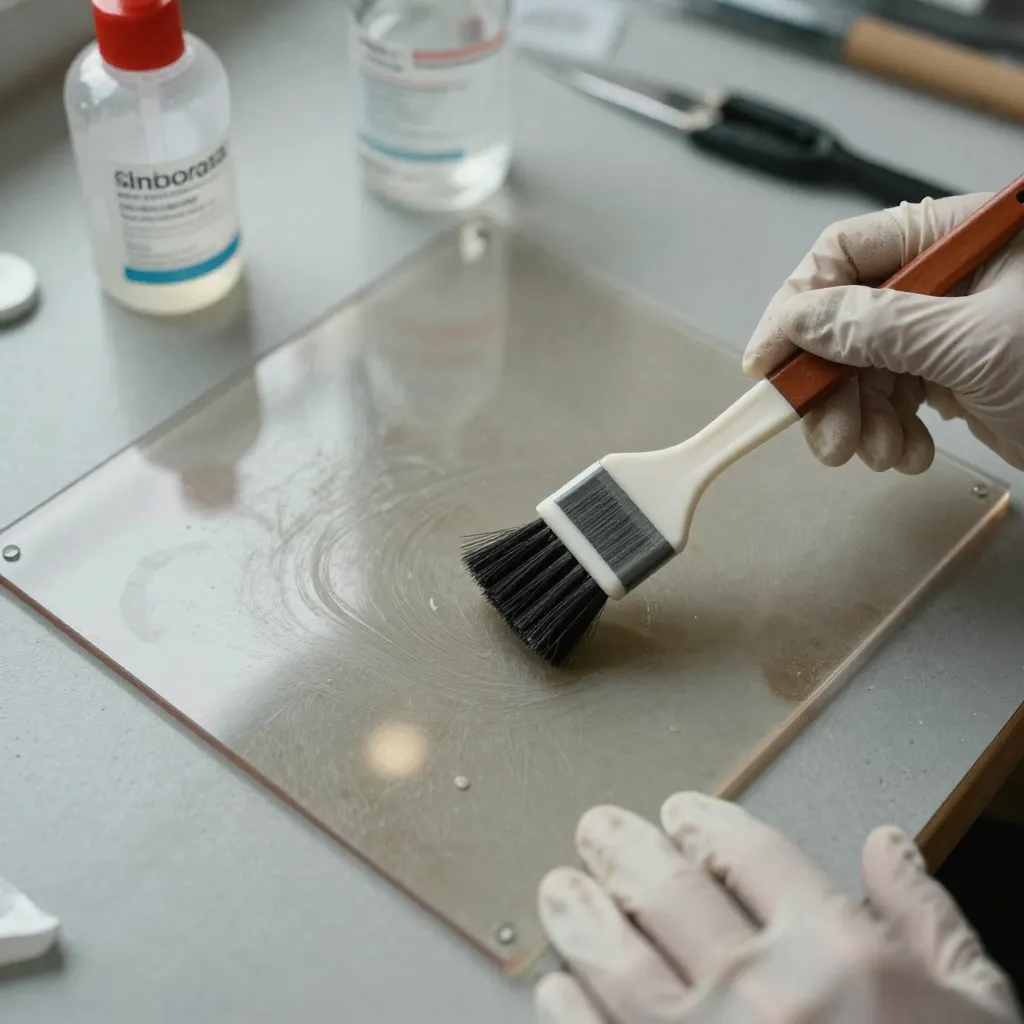
Traditional oil paintings benefit from moderate humidity levels. Very dry conditions can cause paint films to become brittle, while excessive humidity may promote mold growth on organic supports.
Oil paintings generally require more stable conditions than acrylic works due to their slower drying and aging processes.
Acrylic Paintings
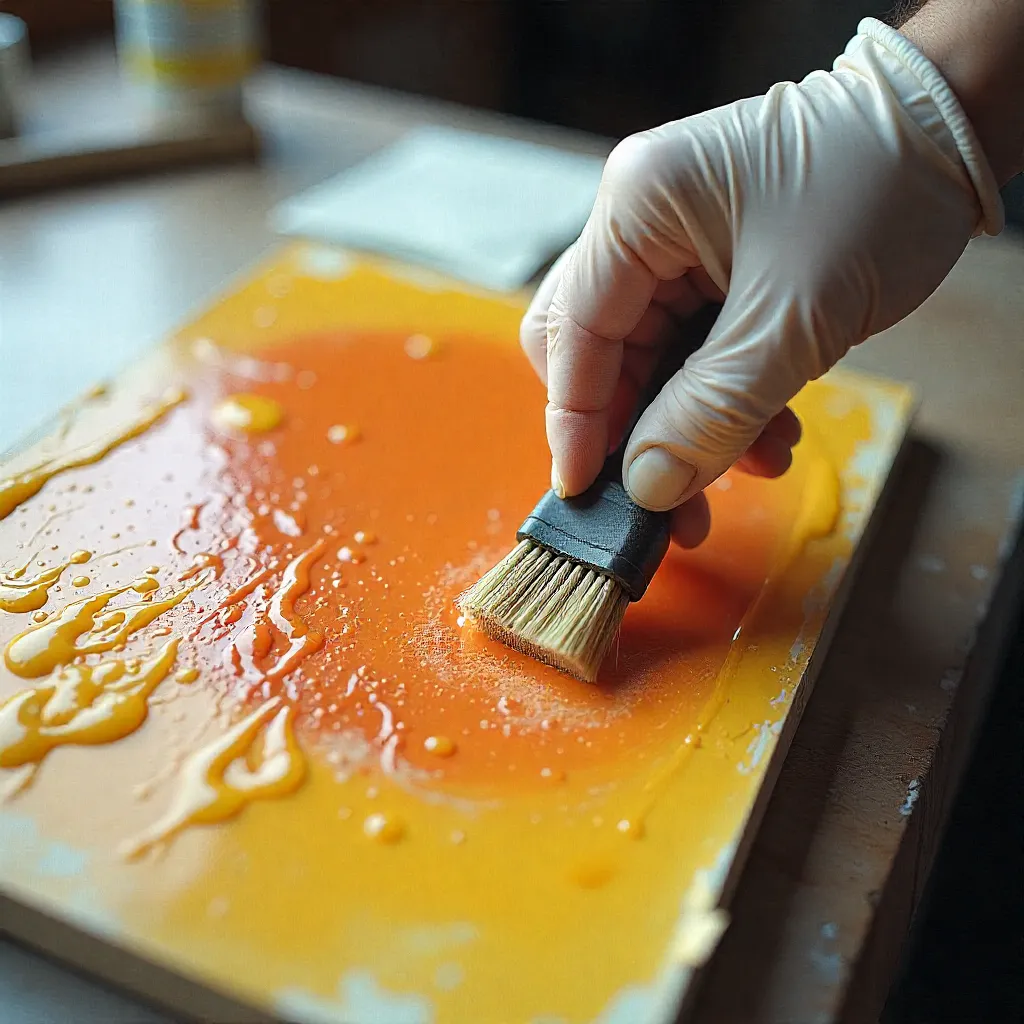
Acrylic paintings tolerate a wider range of humidity conditions due to their flexible polymer structure. However, they remain sensitive to temperature extremes and UV exposure.
The synthetic nature of acrylics makes them less vulnerable to some environmental factors but requires attention to others.
Room Climate Calculator
Use this guide to assess your space and find optimal placement for your paintings.
Assessment Checklist
- Measure relative humidity in the room (target: 45-55%)
- Check temperature consistency throughout the day
- Identify sources of direct sunlight
- Locate heating and cooling vents
- Assess air circulation patterns
- Consider seasonal variations
Optimal Placement Guidelines
Place paintings on interior walls, away from exterior walls that experience temperature fluctuations. Maintain distance from heating sources and direct sunlight. Ensure adequate air circulation without creating drafts.
For valuable works, consider professional climate monitoring systems that maintain consistent conditions automatically.
Preventative Benefits
Proper environmental control reduces surface accumulation, minimizes material stress, and extends the period between necessary cleanings.
Reduced Surface Accumulation
Stable conditions with appropriate humidity levels reduce static electricity that attracts dust and particulate matter. Clean air circulation helps prevent settling of contaminants.