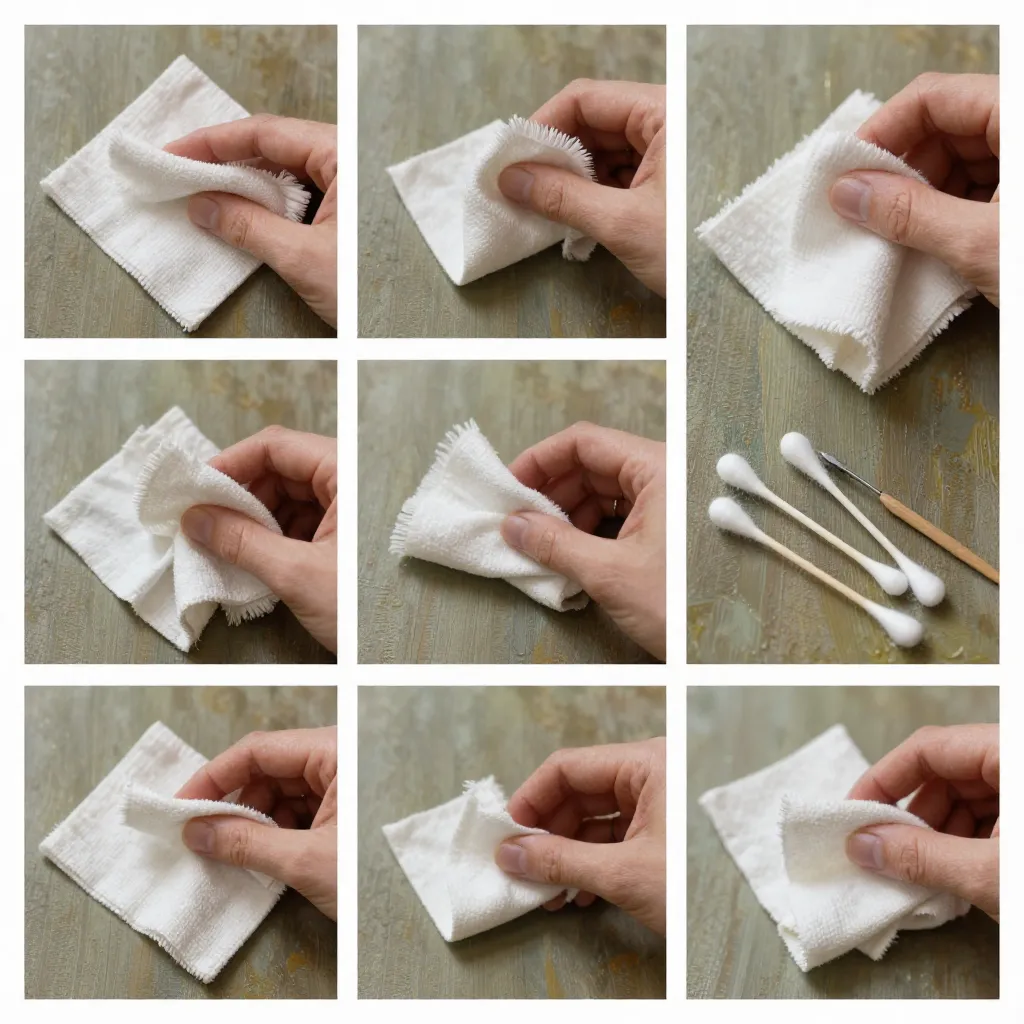
Dirt Versus Patina: A Critical Distinction
Not all surface changes indicate a need for intervention. Understanding the difference between natural aging and problematic accumulation guides appropriate care decisions.
Natural Patina
Patina represents the natural aging of varnish layers. Over time, varnishes develop a warm, golden tone that can enhance the visual harmony of a painting. This transformation is part of the artwork's history and often contributes to its character.
Removing natural patina may not always be desirable, as it can alter the artist's intended color relationships and historical context.
Surface Accumulation
Dirt, dust, and environmental pollutants create a layer that obscures the painting's true appearance. This accumulation can include particulate matter, smoke residue, and other contaminants that settle on the surface over time.
Unlike patina, this layer typically detracts from the artwork's clarity and should be addressed through careful cleaning.
Types of Surface Coatings
Different varnishes require different approaches. Understanding the coating type determines appropriate cleaning methods.

Dammar Varnish
Traditional natural resin varnish that ages to a warm golden tone. Soluble in mineral spirits and turpentine, making it responsive to standard cleaning solutions. Requires careful handling to avoid over-cleaning.
Synthetic Varnishes
Modern polymer-based coatings offer greater clarity and stability. These include acrylic and polyvinyl acetate formulations that resist yellowing but may require different solvents for effective cleaning.
Identification through solubility testing helps determine appropriate cleaning agents.
Wax-Based Coatings
Some paintings feature wax layers applied for protection or aesthetic purposes. These require gentle, non-solvent approaches and careful temperature control during any intervention.
Wax layers can be particularly sensitive to cleaning agents and may need specialized techniques.
Interactive Surface Analysis
Visual comparison helps illustrate how cleaning agents interact with surface layers without reaching the delicate paint underneath.
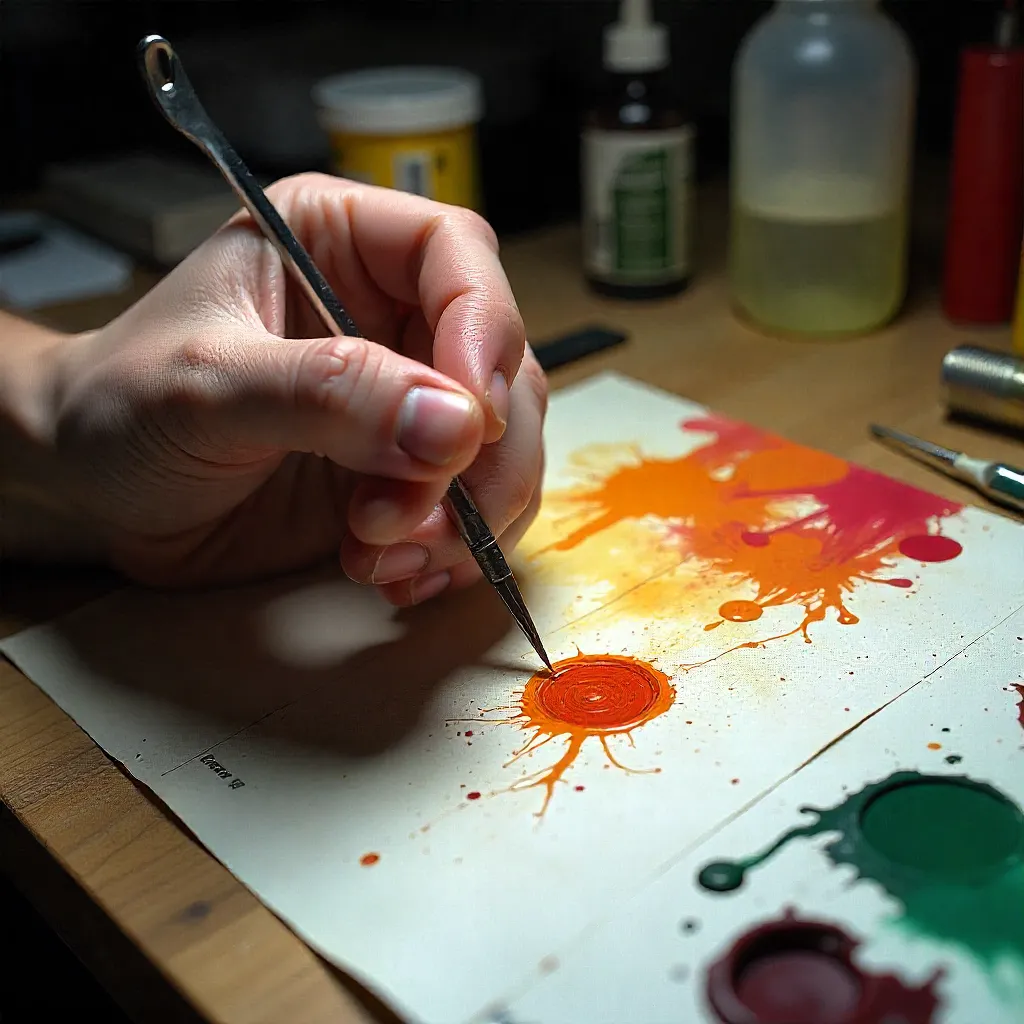

Drag the slider to compare surface states. Notice how cleaning agents interact only with the varnish layer, preserving the underlying paint structure.
Safe Interaction Principles
The goal of surface cleaning is to remove accumulation while preserving both varnish integrity and paint layers. Understanding molecular interactions guides safe practice.
Solubility Testing
Before any cleaning, test the solubility of surface layers in progressively stronger solvents. Start with distilled water, progress to mild solvents, and only use stronger agents when necessary.
Each test should be small, discrete, and immediately assessable for effectiveness and safety.